Creating a vibrant and sustainable garden can be one of the most rewarding endeavors for homeowners. Among the various options available, perennial flower bed installations stand out for their numerous advantages. Unlike annual plants that require replanting each year, perennials return season after season, providing long-lasting beauty with minimal upkeep. This article delves into the benefits of perennial flower beds, offering insights into their design, maintenance, and overall impact on residential landscapes.
Understanding Perennials
Perennial plants are those that live for more than two years, often blooming in cycles that align with seasonal changes. They vary widely in type, color, and size, making them versatile choices for different garden styles. Common examples include coneflowers, daylilies, and hostas. Their ability to thrive year after year makes them an attractive option for gardeners looking to establish enduring landscapes.
Incorporating perennials into your garden not only enhances aesthetic appeal but also supports local ecosystems. Many perennials attract pollinators like bees and butterflies, garden planting ideas playing a vital role in maintaining biodiversity. When selecting species for your flower bed installation, it is essential to consider both their visual characteristics and ecological benefits.
Advantages of Perennial Flower Beds
The decision to install a perennial flower bed comes with several significant benefits:
Long-Term Cost Efficiency
While initial planting costs might be higher than those associated with annuals or seasonal plantings, perennials offer long-term savings. Once established, they require less frequent replacement and can significantly reduce labor costs associated with garden maintenance. Over time, this translates into lower overall gardening expenses.
Low Maintenance Requirements
Perennial flowers typically demand less attention than their annual counterparts. After their initial establishment period—usually one to two growing seasons—most perennials need minimal care beyond occasional weeding and mulching. Their hardiness allows them to withstand various weather conditions better than many annuals.
Seasonal Diversity
One of the most appealing aspects of perennial flower beds is the opportunity for seasonal diversity. By selecting a range of species that bloom at different times throughout the year, you can create a continuously evolving landscape. For instance, early bloomers like crocuses herald spring's arrival while late-season flowers such as asters extend the floral display well into fall.
Soil Health Improvement
Perennials contribute positively to soil health through their root systems. Deep-rooted varieties help prevent erosion and promote nutrient cycling within the soil ecosystem. Additionally, over time they can enhance soil structure by adding organic matter when leaves die back or when plants are divided and replanted.
Aesthetic Appeal
A well-designed perennial flower bed adds significant curb appeal to any home. With careful planning regarding color combinations and bloom times, these beds can offer vibrant displays that captivate passersby throughout multiple seasons. The variety in height and texture also allows for stunning visual layers within your landscape design.
Designing Your Perennial Flower Bed
Creating an inviting perennial flower bed involves thoughtful design considerations tailored to your specific environment:
Assessing Your Space
Start by evaluating where you want your flower bed to be located. Factors such as sunlight exposure, soil quality, drainage conditions, and existing vegetation all play crucial roles in determining which plants will thrive in your chosen area.
For example, if you have a sunny spot in your yard with well-drained soil, you could consider sun-loving perennials like black-eyed Susans or lavender. Conversely, shadier areas may call for ferns or astilbes that flourish in low-light conditions.
Selecting Plants
Choosing the right mix of plants is essential for achieving balance and harmony within your garden space. Consider varying heights to create depth; taller plants should generally be placed at the back (or center if viewed from all sides) while shorter varieties line the front edges of beds.
Additionally, think about color schemes carefully; complementary colors can create striking visuals while harmonious tones lend tranquility to spaces meant for relaxation.
When selecting specific varieties for planting services or landscape planting projects consider local climate conditions as well as any specific maintenance requirements each plant may have once established.
Planning Layouts
Once you've selected your plants based on desired aesthetics and environmental suitability it's time to lay out how they will fit together spatially within your designated area. Sketching a rough plan helps visualize spacing between individual specimens ensuring they have room enough not only during growth but also adequate air circulation preventing issues related mold or disease spread among foliage layers due overcrowding!
Plant spacing guidelines commonly recommend at least 12-24 inches apart depending upon mature size observed within each cultivar selected; however tighter clusters may work effectively depending upon intended look achieved through certain groupings near walkways/entry points etcetera!
Installing Your Perennial Flower Bed
Once you've designed your flower bed layout it’s time for installation! Here’s a straightforward approach:
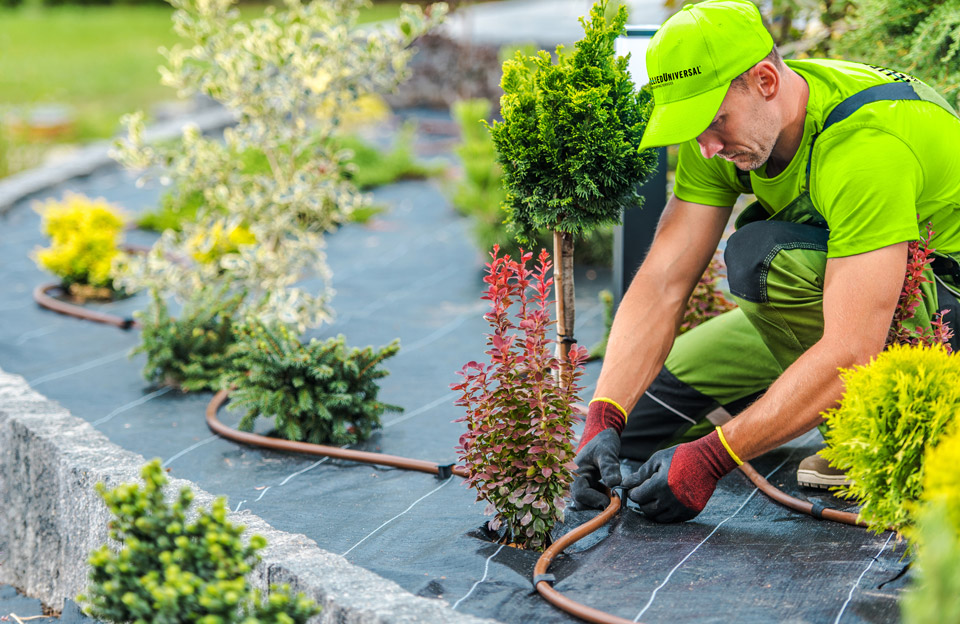
Prepare The Site: Clear away any weeds or grass from the area where you plan to install your perennials. Amend The Soil: Incorporate compost or other organic matter into existing soil; this will provide essential nutrients needed by young plants. Dig Holes For Each Plant: Ensure holes are deep enough (typically 1-2 inches deeper than root balls) allowing ample space around roots once settled. Place Plants & Backfill: Position each plant according its designated spot then gently cover roots before lightly tamping down surrounding dirt ensuring no air pockets remain. Water Thoroughly: After planting water generously so that moisture seeps deeply into established root systems encouraging swift adaptation post-transplant stress!With proper care during initial transition phases most newly planted perennials become resilient quickly adapting thereafter requiring less intervention as they settle fully into new homes!
Maintaining Your Perennial Flower Beds
While perennials are generally low-maintenance some ongoing tasks remain necessary:
- Mulching: Applying mulch around base helps retain moisture while inhibiting weed growth especially beneficial during hot months! Pruning/Deadheading: Regularly removing spent blooms encourages fresh growth throughout blooming cycles extending overall flowering durations! Fertilizing As Needed: Light applications during active growth periods (spring/summer) using balanced fertilizers promotes healthy lushness without overwhelming delicate roots.
Regular assessments of site conditions ensure timely adjustments made based upon factors influencing health such as drought stress/competitor encroachments preventing unintentional declines affecting entire gardening investments made previously!
Conclusion
Establishing perennial flower beds offers countless advantages ranging from cost efficiency through enhanced aesthetics contributing positively towards local ecosystems too! With thoughtful design choices coupled alongside diligent care practices successful installations lead lasting rewards enjoyed across seasons transforming outdoor spaces beautifully year after year! Whether working through professional planting services or tackling this DIY project yourself understanding nuances involved paves way forward towards blossoming success ahead!